Psoriasis

Advanced Psoriasis Treatment in Dhaka

Advanced Psoriasis Treatment in Dhaka - Dr. A. K. M. Rezaul Haque

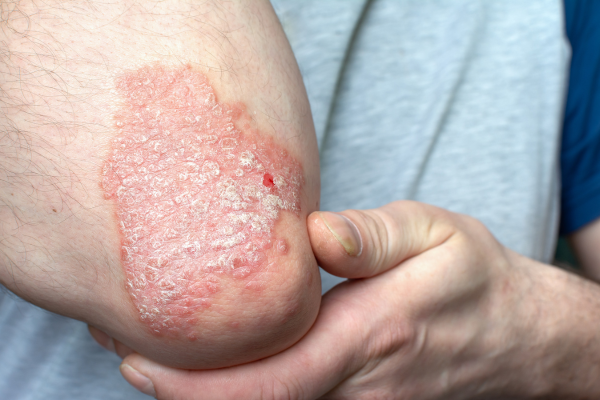
Psoriasis is a chronic, immune-mediated skin disease that causes red, scaly, itchy, and sometimes painful plaques on the skin. As a dermatologist and venereologist in Dhaka, I regularly diagnose and treat patients with psoriasis of all severities—from mild localized plaques to extensive, resistant disease.

Although psoriasis is a long-term condition, it can be effectively controlled with proper medical care, regular follow-up, and a personalized treatment plan. My goal is always to reduce flare-ups, relieve symptoms, and help my patients live confidently and comfortably.

Types of Psoriasis I Treat

In my clinical practice, I treat all major types of psoriasis, including:

  • Hormonal imbalance (especially during puberty, PCOS, pregnancy)
  • Plaque Psoriasis – The most common type, characterized by thick, silvery scales
  • Scalp Psoriasis – Involving itching and flaking of the scalp
  • Guttate Psoriasis – Small drop-like lesions, often after infections
  • Palmoplantar Psoriasis – Affecting palms and soles
  • Nail Psoriasis – Causing nail pitting and thickening
  • Erythrodermic and Pustular Psoriasis – Severe forms requiring urgent care

Accurate diagnosis is essential, as treatment varies depending on the type and severity.

My Approach to Psoriasis Treatment

As a dermatologist and venereologist in Dhaka, I believe that effective psoriasis treatment requires a personalized, comprehensive approach. Every patient is unique, and I tailor treatment plans based on the type, severity, and location of psoriasis, as well as your lifestyle, medical history, and previous treatments.

Step 1: Accurate Diagnosis

The first step is a detailed examination to determine the type of psoriasis—whether it’s plaque, scalp, guttate, nail, or a severe form like pustular or erythrodermic psoriasis. I may also review your family history, check for psoriatic arthritis, and assess triggers that could worsen your condition.

Personalized Treatment Plan

Based on the diagnosis, I create a stepwise treatment plan that may include: Topical therapies, Phototherapy and Systemic medications or biologics. I combine these therapies thoughtfully, always balancing effectiveness, safety, and long-term skin health.

Lifestyle and Trigger Management

I guide my patients on lifestyle adjustments that support treatment outcomes, such as: 1. Identifying and avoiding psoriasis triggers, 2. Maintaining skin hydration, 3. Stress management and healthy habits.

Regular Follow-Up and Monitoring

Psoriasis is a chronic condition that requires ongoing care. I schedule regular follow-ups to monitor progress, adjust treatments as needed, and ensure the best possible results.

My Commitment to Psoriasis Patients

As a dermatologist and venereologist practicing in Dhaka, I am committed to providing compassionate, evidence-based psoriasis treatment. I understand that psoriasis affects not only the skin but also confidence and quality of life.

Frequently Asked Questions

The best treatment depends on the severity and type of psoriasis. Mild cases respond well to topical therapy, while moderate to severe psoriasis may require phototherapy or systemic medications. A dermatologist determines the most effective plan.

Psoriasis is a chronic condition and currently has no permanent cure. However, with proper medical treatment and regular follow-up, it can be effectively controlled and flare-ups can be minimized.

Psoriasis treatment duration varies. Some patients see improvement within a few weeks, while others may require long-term management. Consistency and medical supervision are important for best results.

Yes, if left untreated, psoriasis can extend to other areas. Early treatment helps control progression and reduces complications.

No, psoriasis is not contagious. It cannot spread from one person to another through touch or contact.

Psoriasis is caused by an overactive immune system that speeds up skin cell production. Genetics, stress, infections, skin injury, and certain medications can trigger flare-ups.

Psoriasis can affect men and women of any age. It is more common in individuals with a family history of psoriasis or autoimmune diseases.

Yes. Emotional stress is one of the most common triggers of psoriasis flare-ups. Proper stress management can help reduce the frequency and severity of outbreaks.

No. In some patients, psoriasis may also affect the joints, causing psoriatic arthritis. Early diagnosis and treatment are important to prevent joint damage.

Yes. Scalp psoriasis causes thick, red patches with silvery scales and may extend beyond the hairline. Dandruff usually causes mild flaking without thick plaques.

Yes. Nail psoriasis may cause pitting, discoloration, thickening, or separation of the nail from the nail bed. Early treatment helps prevent permanent damage.

Other Pages You May Be Interested In...