Dermatology Specialist
Tinea Treatment
Expert Care by Associate Professor Dr. A. K. M. Rezaul Haque
Tinea, commonly known as ringworm, is a contagious fungal infection that affects the skin, scalp, groin, feet, and nails. As a dermatologist and venereologist practicing in Dhaka, I regularly diagnose and treat various forms of tinea with evidence-based, personalized treatment plans.
Schedule Consultation
Understanding Tinea
What Is Tinea?
Tinea is a superficial fungal infection caused by dermatophytes. It is named according to the body area involved:
Tinea Corporis
Infection of the body
Tinea Cruris
Groin infection (jock itch)
Tinea Pedis
Foot infection (athlete's foot)
Tinea Capitis
Scalp infection
Tinea Unguium
Nail infection (onychomycosis)
Important: In Bangladesh, due to heat and humidity, fungal infections spread easily and often become chronic if not treated properly.
Recognize the Signs
Common Symptoms of Tinea
I always advise my patients to seek consultation if they notice any of the following signs of a fungal infection:
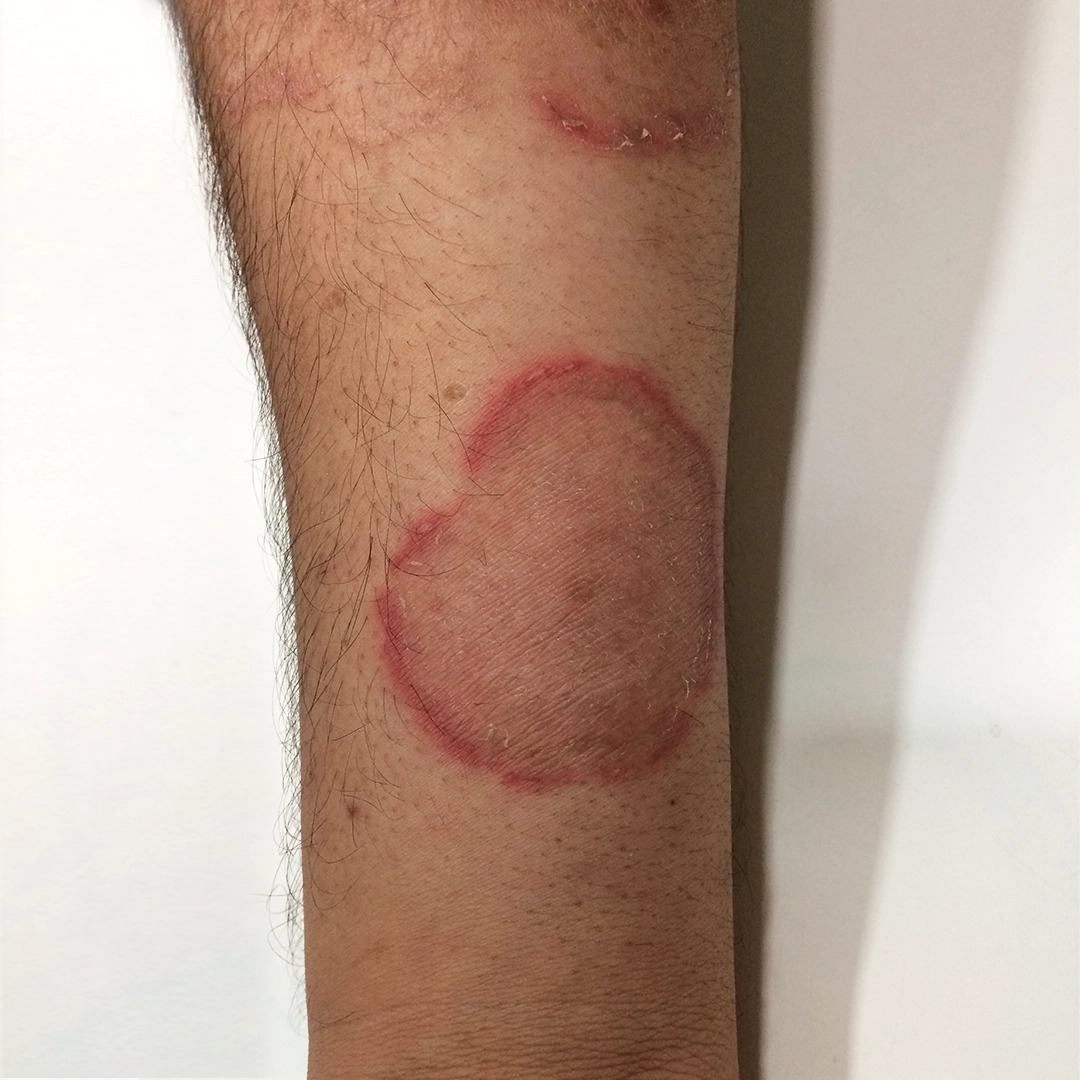
Red, Circular, Itchy Patches
These are the classic ring-shaped rashes with raised borders. They often appear on the body or limbs and can spread if left untreated.
Burning & Severe Itching
The affected area may feel irritated, warm, or intensely itchy, sometimes worsening at night or after sweating.
Peeling or Cracked Skin
Commonly seen between the toes or in folds of the skin, peeling or cracks can cause discomfort and secondary infections.
Hair Loss Patches
Scalp infections can lead to circular patches of hair loss, sometimes accompanied by scaling and inflammation.
Expert Treatment
My Approach to Tinea Treatment
Accurate Diagnosis
I carefully examine the affected area. In some cases, I may recommend laboratory tests to confirm the fungal infection and rule out similar-looking conditions like eczema or psoriasis.
Personalized Treatment Plan
Treatment depends on the severity, duration, and location of infection:
- Topical antifungal medications for mild and localized infections
- Oral antifungal therapy for extensive, recurrent, scalp, or nail infections
- Anti-inflammatory treatment if required
- Treatment of secondary bacterial infection, if present
Preventing Recurrence
Many patients suffer from repeated fungal infections. I provide clear guidance on:
- Maintaining skin dryness
- Avoiding steroid misuse
- Proper washing and sun-drying of clothes
- Avoiding sharing personal items
Why Choose My Treatment?
Evidence-Based Approach
Latest dermatological standards and best practices
Long-Term Results
Focus on preventing recurrence and complete cure
Personalized Care
Customized treatment based on your specific condition
Expert Consultation
Associate Professor with years of clinical experience
Ready to Get Treatment?
If you are suffering from tinea or any fungal infection, I encourage you to seek professional consultation. With proper diagnosis and expert treatment, fungal infections can be effectively cured, and recurrence can be prevented.